

Precision therapeutic medicine requires using FAPM (Food As Precision Medicine) which extends many aspects of FIM to precision medicine. Like FIM, it pushes for the nutritional education of food as medicine and accessibility of that food. However, it adds onto it by focusing on the exact numbers in the nutrients. For example, calculating exactly how many grams of protein, carbohydrates, etc. are in the food. Precision Ketogenic Therapy is the FAPM exemplar we will use on this website.

Precision Ketogenic Therapy (PKT) is a personalized use of food as precision medicine originally designed to treat epilepsy by reducing seizures and improving cognitive function. It differs from general ketogenic diets by precise tailoring food composition and meal plans to the individual patient while monitoring food intake and seizure frequency.

Precision Ketogenic Therapy
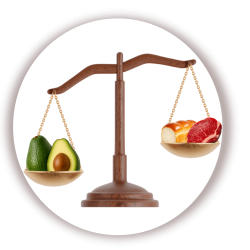
PKT is a low-carbohydrate, high-fat use of food as precision medicine, focusing on individualized diet plans to fit each patient’s needs. Progress is tracked by recording food intake and seizure burden. The primary goals include reducing the number and severity of seizures; enhancing alertness, cognition, and awareness; and potentially reducing or eliminating anti-seizure medications, thereby improving overall quality of life.

PKT Ratio Explained: The PKT ratio represents the grams of fat compared to the combined grams of protein and carbohydrate in the diet. This ratio indicates the “strength” of the therapy, with a 4:1 ratio being the strongest typically used. Fat provides more calories per gram of food than protein or carbohydrate, influencing meal size and energy content.

FOOD RATIO4
FOOD ADD3

Precision in Meal Preparation: Accurate weighing of food ingredients to the tenth of a gram is essential in PKT to maintain the correct PKT ratio and ensure the therapy’s effectiveness. Each meal’s composition is carefully prescribed to meet these precise requirements.

Personalization in Meal Preparation: PKT meals are personalized to fit each individual’s preferences, family traditions, cultural foods, and budget whenever possible. Favorite foods and traditional recipes are adapted to meet the prescribed PKT ratio and nutrient goals. This personalized approach helps make PKT practical, sustainable, and easier to integrate into everyday life.

FOOD DETAIL

Frequently Asked Questions

How does Precision Ketogenic Therapy (PKT) differ from standard ketogenic diets found online?

PKT is a therapy individually prescribed to treat epilepsy and is customized to fit the specific needs and preferences of each patient. Standard ketogenic diets are often designed for particular populations rather than a specific individual with changing needs.

What are the main goals of the Precision Ketogenic Therapy Program at the University of Florida?

The program aims to support families, reduce seizures, improve quality of life including enhanced alertness and cognition, and potentially reduce or eliminate the need for anti-seizure medications.

What is the significance of the PKT ratio, and how is it applied?

The ketogenic ratio, defined as grams of fat divided by grams of protein plus carbohydrate combined, works like a “dose” of therapy, with higher ratios indicating a stronger therapy. The PKT ratio is precisely managed for each meal and each snack for each patient.

Why are PKT meals sometimes smaller in volume, and how does this relate to their energy content?

PKT meals can appear smaller because fat contains more calories per gram of food than protein or carbohydrate, meaning less food by weight can provide the necessary energy.

What steps are taken to ensure accuracy and success in PKT dietary prescriptions?

Brand-specific food ingredients are weighed precisely to the nearest tenth of a gram for each meal to guarantee the correct therapeutic ratio of protein, fat, and carbohydrates is achieved, which is essential for the success of PKT.